Ultra-thin film turns smartphone into infrared camera
Ultra-thin film turns smartphone into infrared camera
11-9-2026
Simply use your smartphone to determine whether apples or pears are ready for harvest. For now, this may sound futuristic, but in the near future it could become a reality.
Researchers at Hasselt University (UHasselt) and the Belgian research and innovation centre imec, which focuses primarily on microchips, nanoelectronics and digital technologies, have developed an ultra-thin film that converts invisible infrared light into visible green light. The technology makes it possible to use an ordinary, low-cost camera – such as a smartphone camera – to “see” what would normally remain invisible, without damaging the fruit. This could, for example, allow fruit maturity to be assessed without the expensive infrared cameras currently required for such measurements.
Infrared cameras can be used, for example, to assess fruit quality and maturity. The drawback is that these specialised cameras can easily cost €40,000 to €50,000 and are also relatively heavy.
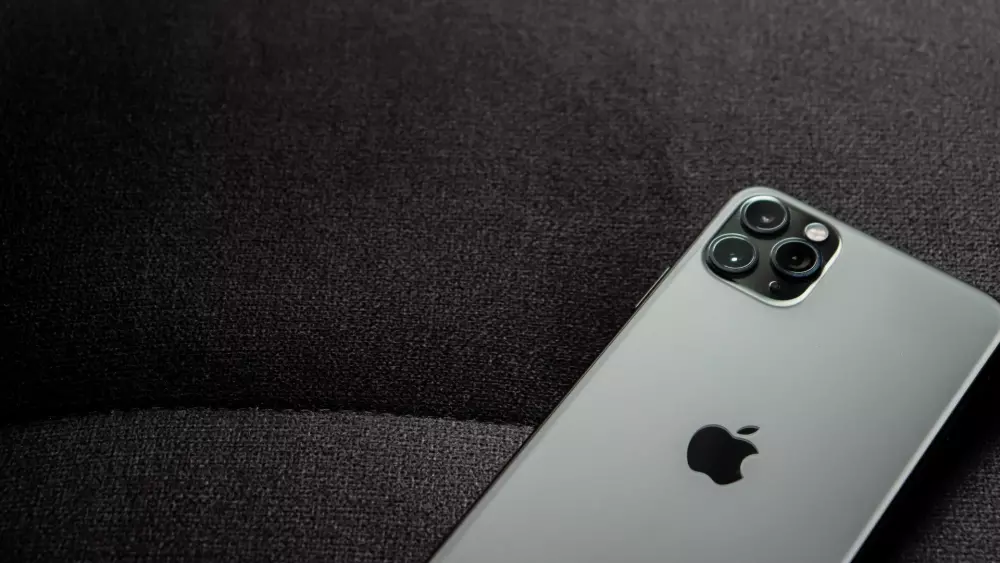
The researchers developed a film consisting of 38 ultra-thin organic layers. Together, they are around 100 times thinner than a human hair. When infrared light strikes the film, it is converted into visible green light. By placing the film over a smartphone camera lens, the phone can be used as an infrared camera.
The new film is lightweight, affordable and requires no external power source. It also needs very little light to generate a clear image. The technology is still in its infancy and requires further development. In the longer term, however, it could make infrared measurements considerably more accessible, including for fruit growers.