German fruit growers sound the alarm
German fruit growers sound the alarm
25-7-2026
The Bundesfachgruppe Obstbau, which represents German fruit growers, has sounded the alarm with the support of 17 regional agricultural associations.
According to the organisations, the situation this year is so serious that a growing number of fruit farms are questioning whether harvesting their crops is worthwhile at all. In an urgent open letter, they are appealing to policymakers, retailers and consumers for the first time in many years.
The full text, translated from German, is reproduced below:
Urgent appeal from German fruit growers:
Do we still want home-grown fruit in Germany?
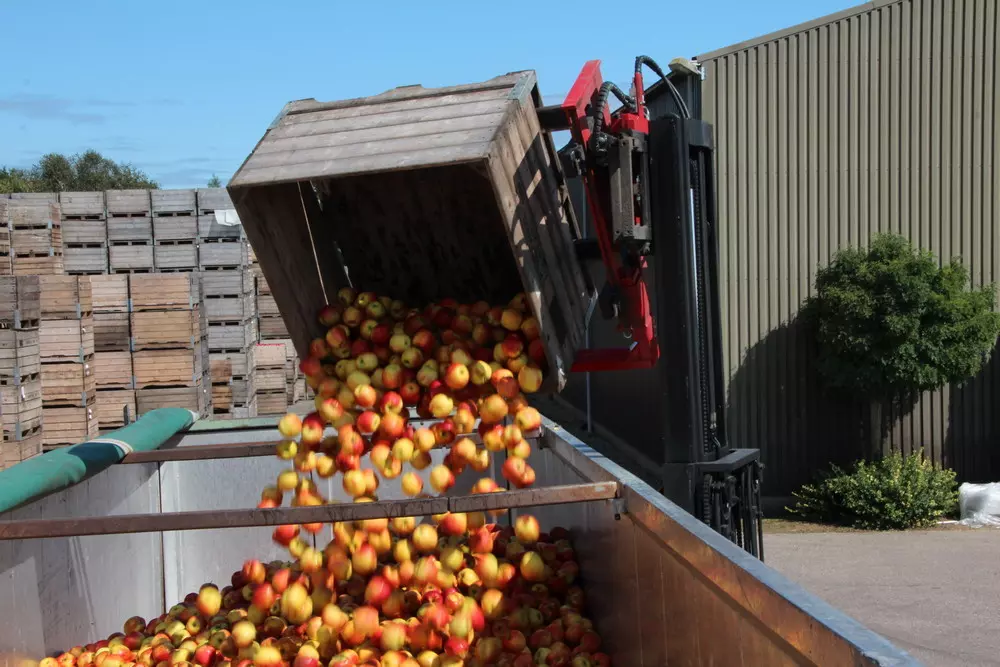
Some scenes are almost impossible to believe. In the same hall, thousands of tonnes of German apples are being sent for juice processing, while just a few metres away apples from the Southern Hemisphere are being packed for sale.
High-quality sweet cherries are being left unpicked on German fruit farms because cheap imports are flooding the market. Plums and blueberries are being sold at prices below production cost. A growing number of growers are asking whether harvesting their fruit is worthwhile at all. Also Germany is expecting its smallest outdoor strawberry crop in more than 30 years.
Anyone who sees these developments as no more than a temporary market downturn is failing to grasp the reality. We are currently witnessing the rapid disappearance of domestic fruit production.
The question is therefore as simple as it is uncomfortable: Do we still want home-grown fruit in Germany? If the answer is ‘yes’, that commitment must finally be reflected in action.
German fruit farms produce to the highest quality, environmental and social standards. For years, they have been investing in biodiversity, water and climate protection, as well as modern, resource-efficient production methods. They safeguard jobs, preserve cultivated landscapes, keep transport distances short and create value in the regions. At the same time, the operating environment is becoming increasingly difficult. Production costs, and wages in particular, are rising sharply. There are no special provisions for labour-intensive crops like fruit. Today, running a fruit farm no longer means coping only with weather extremes, but also with political and economic conditions that increasingly work against growers.
The consequences are dramatic: Germany is now losing roughly one fruit farm every two days. More alarming still, however, is that we seem to have grown accustomed to it.
We talk about regional sourcing, sustainability and security of supply. At the same time, we accept that home-grown fruit is increasingly being replaced by imports. But regional sourcing must not be a marketing slogan that applies only as long as it does not cost a cent more. Anyone who wants home-grown fruit must also be willing to create the conditions that allow it to be produced.
Of course, Germany will never be able to produce all its own fruit. But do we really want to accept that one day our children and grandchildren will only hear that apples from Germany were once taken for granted?
This is no longer just about fruit growers. It is about how we want to feed ourselves in the future. Do we want to preserve regional food production, or become increasingly dependent on imports?
Fruit farms are ready to play their part. They have done so for generations. What they cannot do is continue indefinitely to produce in the face of misguided policies, constantly rising costs and ruinous competition.
Our appeal is therefore directed equally at retailers and consumers:
Let us make a conscious choice now in favour of home-grown fruit production. Not through fine words and advertising campaigns, but through retailers’ purchasing decisions and, ultimately, at the checkout.
One thing is certain: what disappears today cannot simply be rebuilt tomorrow.
The choice is still ours.
On behalf of Germany’s fruit growers -the Board of the Bundesfachgruppe Obstbau and the regional associations