Control of bacterial canker made difficult by pathogen adaptations
Control of bacterial canker made difficult by pathogen adaptations
5-3-2026
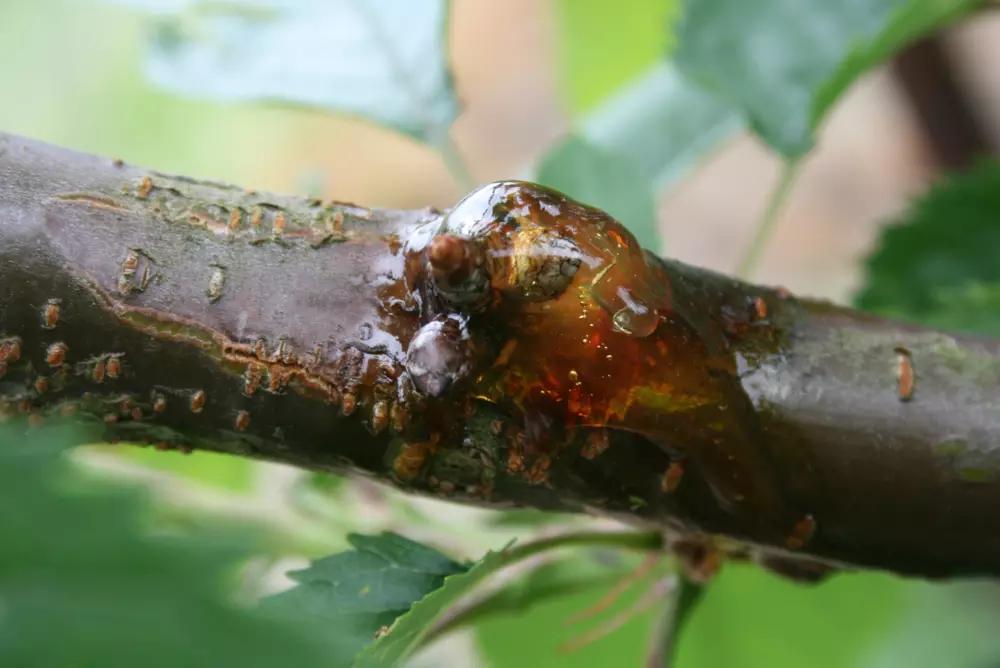
Pseudomonas syringae pv syringae (Pss), the pathogen that causes bacterial canker in cherries and other crops, can adapt to local conditions, according to Chilean research. Researchers from the Chilean Instituto de Investigaciones Agropecuarias (INIA) analysed samples from orchards in Chile's main cherry-growing regions. The bacterial disease appeared to have adapted to the agroclimatic conditions and cultivation practices of local fruit growing. This complicates the control of the disease.
Resistance to copper preparations
One of the most important findings is that certain populations of Pseudomonas syringae have developed increased resistance to copper-based products. Copper preparations are used in Chile, as well as in many other countries, to control bacterial diseases in fruit crops.
According to the researchers, the results of the study necessitate an adjustment of the control strategy. According to a report on www.freshfruitportal.com, this development underlines the need for an integrated crop protection strategy, combining cultivation measures, timely monitoring and targeted use of available resources. (source: freshfruitportal)